Beyond Mayo: Exploring Potato Salad's Versatile Styles and Dressings
Few dishes evoke the warmth of a summer barbecue or the comfort of a family gathering quite like potato salad. This beloved side dish, seemingly simple in its composition, is a culinary chameleon, capable of transforming its character with a mere change of dressing or a thoughtful selection of accompanying ingredients. Far from being confined to a single creamy, mayonnaise-laden style, potato salad boasts a rich history and a global tapestry of variations, each reflecting distinct regional tastes and culinary traditions.
The magic of potato salad lies in its foundational elements: perfectly cooked potatoes combined with a dressing and an assortment of flavorful additions. The humble potato, whether boiled, steamed, or baked until tender, provides a hearty yet absorbent canvas, eagerly soaking up the flavors of its companions. This adaptability allows for a spectrum of textures, from the firm bite of distinct potato chunks to softer, more integrated elements when partially mashed, making it a truly versatile dish for any occasion.
The Enduring Appeal of Potato Salad: A Brief History
The story of potato salad is one of fascinating evolution, tracing its roots back to the 16th century in Europe. When Spanish explorers introduced potatoes from the New World, culinary experimentation began. Early European versions were far removed from what we recognize today, often involving potatoes boiled in wine or a concoction of vinegar and spices.
Early European Roots
Imagine a time before commercial mayonnaise, where the concept of a cold, creamy potato salad was yet to be conceived. The initial European interpretations focused on the potato's ability to absorb robust flavors, creating warm, tangy preparations that served as hearty accompaniments to meals.
The German Influence
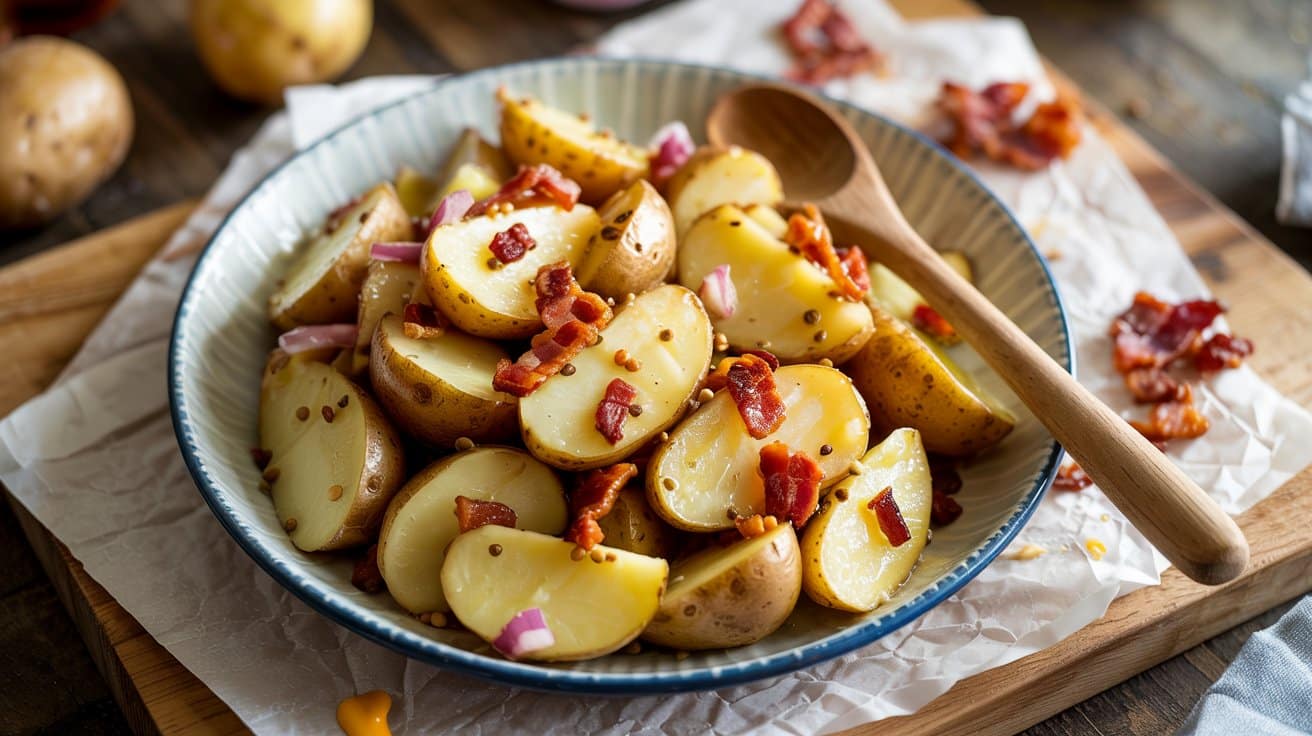
It was German immigrants who significantly shaped the destiny of potato salad, particularly in the United States. By the 19th century, they brought their cherished warm, vinegar-based potato salads across the Atlantic. These often featured robust ingredients like crispy bacon, caramelized onions, and pungent mustard, creating a dish bursting with savory notes and a delightful tang. This style, still popular in Germany and parts of Europe, remains a testament to the potato's versatility, often served warm alongside sausages or roasted meats.
The American Classic Emerges
As the 20th century dawned, the American culinary landscape saw a significant shift. The widespread availability of commercial mayonnaise brands, such as Hellmann's, paved the way for the emergence of the cold, creamy, mayonnaise-dressed potato salad that has become synonymous with picnics and barbecues across the U.S. This iconic American style typically favors waxy potato varieties like Yukon Golds or red potatoes, which hold their shape well and offer a satisfying texture when tossed with a rich, velvety dressing. For a deeper dive into its fascinating journey, explore The Global Journey of Potato Salad: From German Roots to Diverse Delights.
The Foundation: Choosing and Preparing Your Potatoes
The success of any potato salad begins with the right potato and proper cooking. The type of potato you select significantly influences the final texture and how well it integrates with the dressing.
Waxy vs. Starchy: A Tale of Two Textures
- Waxy Potatoes (e.g., Red Bliss, Yukon Gold, Fingerlings): These varieties have less starch and a firmer flesh that holds its shape beautifully after cooking. They are ideal for salads where you want distinct potato chunks, as they won't crumble or become mushy when tossed with dressing. Their slightly thinner skins can often be left on, adding color and nutrients.
- Starchy Potatoes (e.g., Russets, Idaho): High in starch, these potatoes tend to break down more easily, resulting in a fluffier, creamier texture when cooked. While they are perfect for mashing, they can sometimes lead to a pastier potato salad if not handled carefully. However, they are excellent for styles where a softer, more integrated texture is desired. The classic Food Network Kitchen recipe, for example, calls for Russet potatoes, indicating that careful handling and immediate seasoning are key to preventing a gummy texture.
Perfectly Cooked Potatoes
Regardless of the variety, ensure your potatoes are cooked until tender but not falling apart. Boiling, steaming, or even baking are viable methods. Once cooked, drain them thoroughly. A crucial tip for maximum flavor absorption is to season the warm potatoes. Tossing them with a splash of vinegar (like cider vinegar as suggested in many classic recipes) and a sprinkle of salt immediately after draining helps them soak up these foundational flavors, creating a more cohesive and delicious end product. This initial seasoning is vital before any main dressing is added.
Beyond Mayonnaise: Exploring Diverse Dressings and Styles
While the creamy, mayo-based potato salad might be the most familiar, the true versatility of this dish shines through its myriad dressing options and global adaptations.
The Quintessential Creamy Dressings
The classic American-style potato salad is undeniably defined by its rich, smooth, and often velvety mayonnaise-based dressing. This style typically marries cooked potatoes with a generous amount of mayonnaise, often brightened by additions like Dijon mustard and a touch of vinegar, as seen in the Food Network Kitchen's classic approach. Sweetness, often from a hint of sugar, balances the tang. Essential crunchy elements include finely chopped celery and scallions, providing a welcome textural contrast. Many traditional creamy recipes also feature hard-boiled eggs and a touch of relish for added complexity and a nostalgic flavor profile. This type of potato salad truly benefits from being made ahead, allowing the flavors to meld and deepen over time. To master this beloved version, refer to Mastering Classic Creamy Potato Salad: Your Essential Recipe Guide.
The Zesty Vinaigrettes: Light and Tangy
Moving away from creamy emulsions, vinaigrette-based dressings offer a lighter, tangier profile that allows the potato's natural flavor to shine. These styles often bypass mayonnaise entirely, making them refreshing alternatives, especially in warmer climates or for those seeking a less rich option.
- German-Style Warm Potato Salad: A traditional favorite, this style often features potatoes tossed with a warm dressing of oil, vinegar (such as apple cider vinegar), and mustard. Crispy bacon bits and sautéed onions are often folded in, along with fresh herbs, creating a savory, hearty dish often served alongside meat courses. The warmth of the dressing and ingredients contributes to a unique depth of flavor.
- French-Inspired Vinaigrettes: French variations lean into elegance and fresh ingredients. A light vinaigrette, often incorporating sharp Dijon mustard, finely minced shallots, and an abundance of fresh herbs like parsley, chives, or tarragon, coats the potatoes delicately. The focus here is on bright, clean flavors that complement rather than overpower.
- Mediterranean & Greek No-Mayo Versions: In the Mediterranean, particularly in Greek cuisine, potato salad is a vibrant celebration of fresh, aromatic herbs. Ditching mayonnaise, these versions are typically dressed with a generous amount of high-quality olive oil, fresh lemon juice or red wine vinegar, and plenty of minced garlic. Fresh herbs like parsley, dill, mint, and oregano are not just garnish; they are integral to the dish's identity, providing an explosion of fresh, herbal notes.
Global Inspirations: Unique Flavors Worldwide
The versatility of potato salad truly shines on a global scale, with each region adapting the dish to its local palate and available ingredients:
- Russian Olivier Salad: A festive staple, Olivier salad elevates potato salad into a substantial meal. It combines diced potatoes with a medley of finely diced meats (like chicken or bologna), peas, carrots, and sometimes pickles, all bound together with a rich mayonnaise dressing.
- Korean Gamja Salad: This refreshing take often includes crisp diced cucumbers and carrots, offering a crunchy texture that contrasts beautifully with the tender potatoes, all held together by a creamy mayonnaise dressing.
- Japanese Potato Salad (Potesara): Known for its irresistibly creamy texture, Japanese potato salad often involves partially mashed potatoes, which create a smoother base. It's typically mixed with mayonnaise, thinly sliced cucumbers, onions, and carrots, with optional additions like ham, corn, or hard-boiled eggs for extra flavor and substance.
- Puerto Rican Potato Salad: This vibrant version often incorporates the rich, aromatic flavors of sofrito (a sautéed aromatic base) and briny olives, giving it a distinctly savory and tangy character that reflects Caribbean culinary traditions.
Crafting Your Signature Potato Salad: Tips and Tricks
Creating an exceptional potato salad is an art form. Here are some actionable tips to elevate your next batch:
- Seasoning Savvy: Warm Potatoes Absorb Best: As mentioned, always season your potatoes with salt and a splash of vinegar while they are still warm. Their porous nature at this stage allows them to absorb flavors more effectively, ensuring the seasoning permeates beyond just the surface. This is a game-changer for overall taste.
- The Art of Add-ins: Don't be afraid to experiment with your additional ingredients. Classic choices like celery, onions (red, green, or sweet), and hard-boiled eggs are staples for a reason. But consider branching out with capers for a briny kick, chopped pickles or relish for tang, crispy bacon bits for a smoky crunch, or even finely diced bell peppers for color and sweetness. Fresh herbs like parsley, dill, chives, or cilantro can brighten any salad.
- Balance is Key: Strive for a balance of flavors and textures. The creaminess of the dressing should be cut by acidity (vinegar, lemon juice, mustard) and often a touch of sweetness. Crunch from celery or onions provides a welcome contrast to the soft potatoes.
- Making Ahead for Flavor Development: Most potato salad recipes, especially those with creamy dressings, taste even better the next day. Allowing the salad to chill in the refrigerator for several hours or overnight gives the flavors time to meld and deepen. Just be sure to give it a stir and check the seasoning before serving, as flavors can mellow when chilled.
- Gentle Mixing: Over-mixing can break down the potatoes, especially starchy varieties, leading to a gummy texture. Use a large spoon or spatula and fold the ingredients together gently until just combined.
Conclusion
From its humble European origins to its diverse global interpretations, potato salad stands as a testament to the versatility of one of the world's most beloved vegetables. Whether you prefer the comforting embrace of a classic creamy American version, the zesty tang of a warm German-style, or the fresh, herbaceous notes of a Mediterranean creation, there's a potato salad style to suit every palate and occasion. So, go beyond mayo, explore the endless possibilities of dressings and add-ins, and craft your own signature potato salad – a dish that truly embodies culinary adaptability and universal appeal.
